Make a Myth
Origin Story
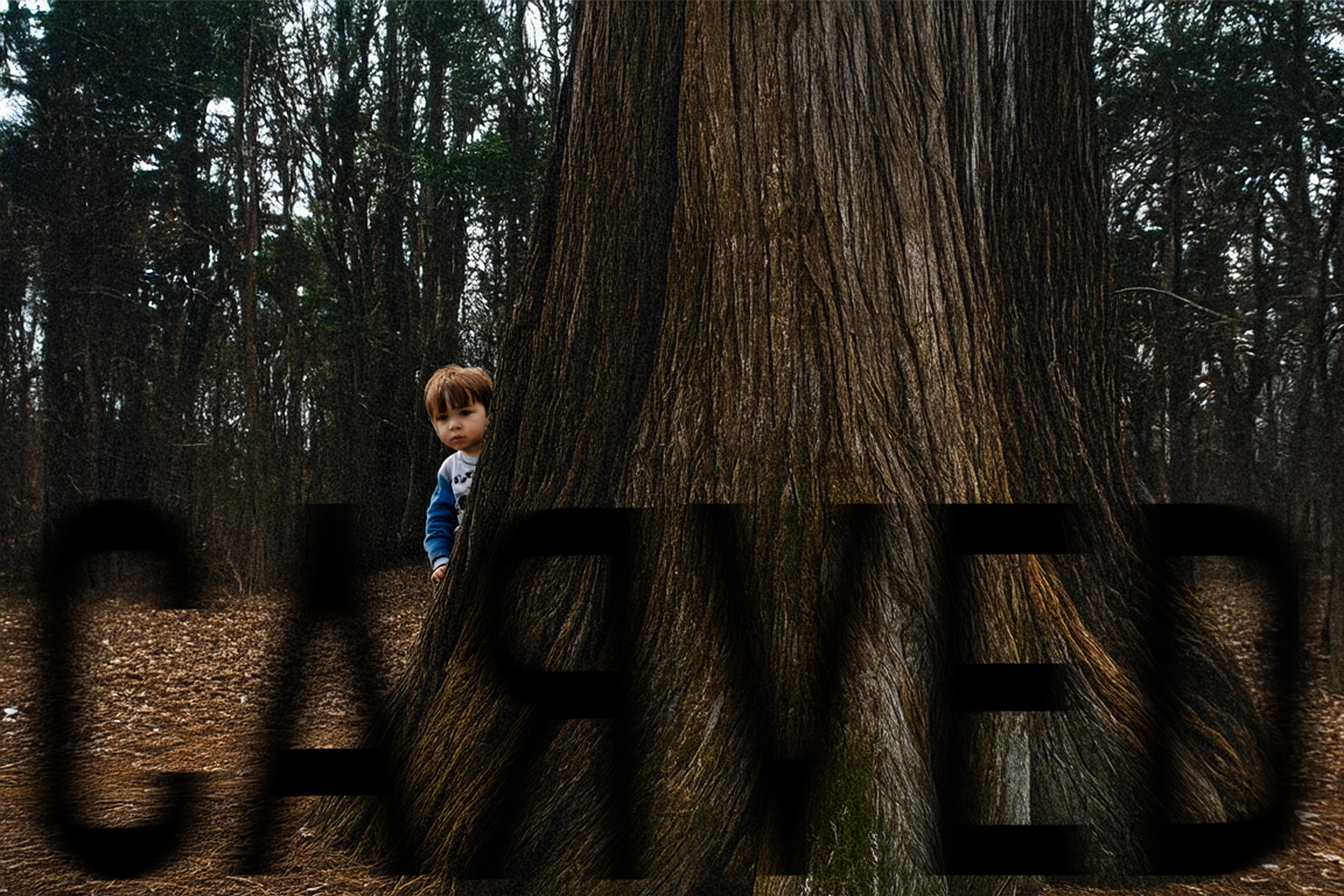
I created a myth about a young boy who disappears in the woods. After he’s gone, strange writing slowly begins to appear on the bark of an old tree, almost like the tree is trying to communicate what happened. The idea behind the myth is that nature remembers things we try to forget, and sometimes the world speaks in ways we don’t fully understand.
The inspiration came from a mix of Midwest folklore, my own childhood memories of being surrounded by deep woods, and the way small towns create stories to explain things that don’t make sense. I wanted something eerie but believable, something people could imagine happening in their own community.
To make the story feel real, I focused on grounding it: a specific forest, a boy with a simple backstory, and carvings that appear slowly over time. Nothing magical-looking; just subtle, unsettling details.
The Release
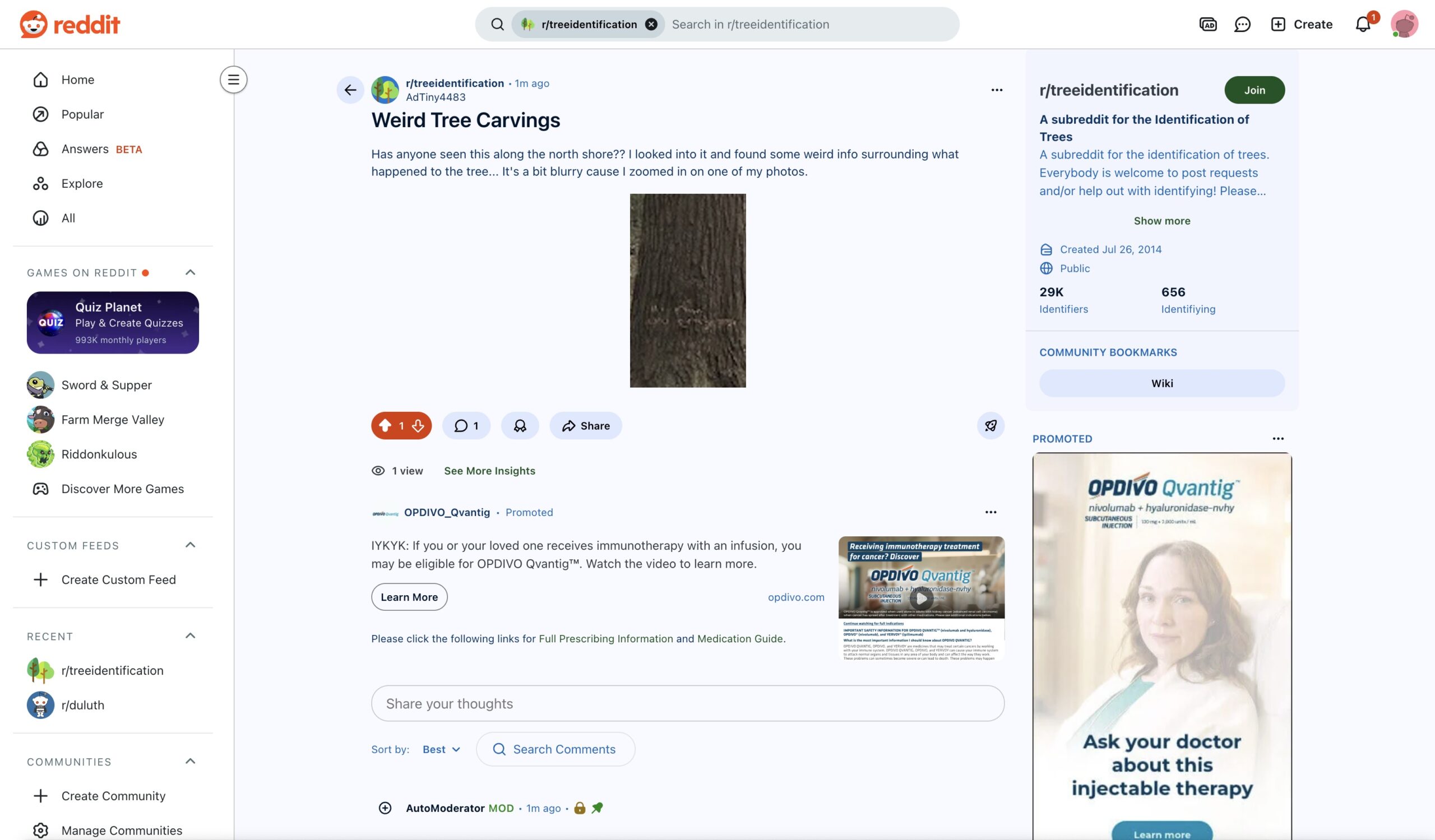
To release the myth, I tested it in a very small, low-stakes way. I posted a casual, zoomed-in photo on Reddit to make it look like the myth existed in the background of a real image. I wanted to see if people would react to the story elements, or at least question what they were looking at.
Even though it was such a small post, it actually reached 5.3k views and 6 comments, which surprised me. The response was honestly pretty minimal. No one commented on the myth or the idea behind it; the only feedback I got was about the quality of the image itself. Since the photo was zoomed in to seem more believable, people focused on the graininess instead of the content. It showed me how easily a myth can be ignored if there isn’t enough context or curiosity built around it.
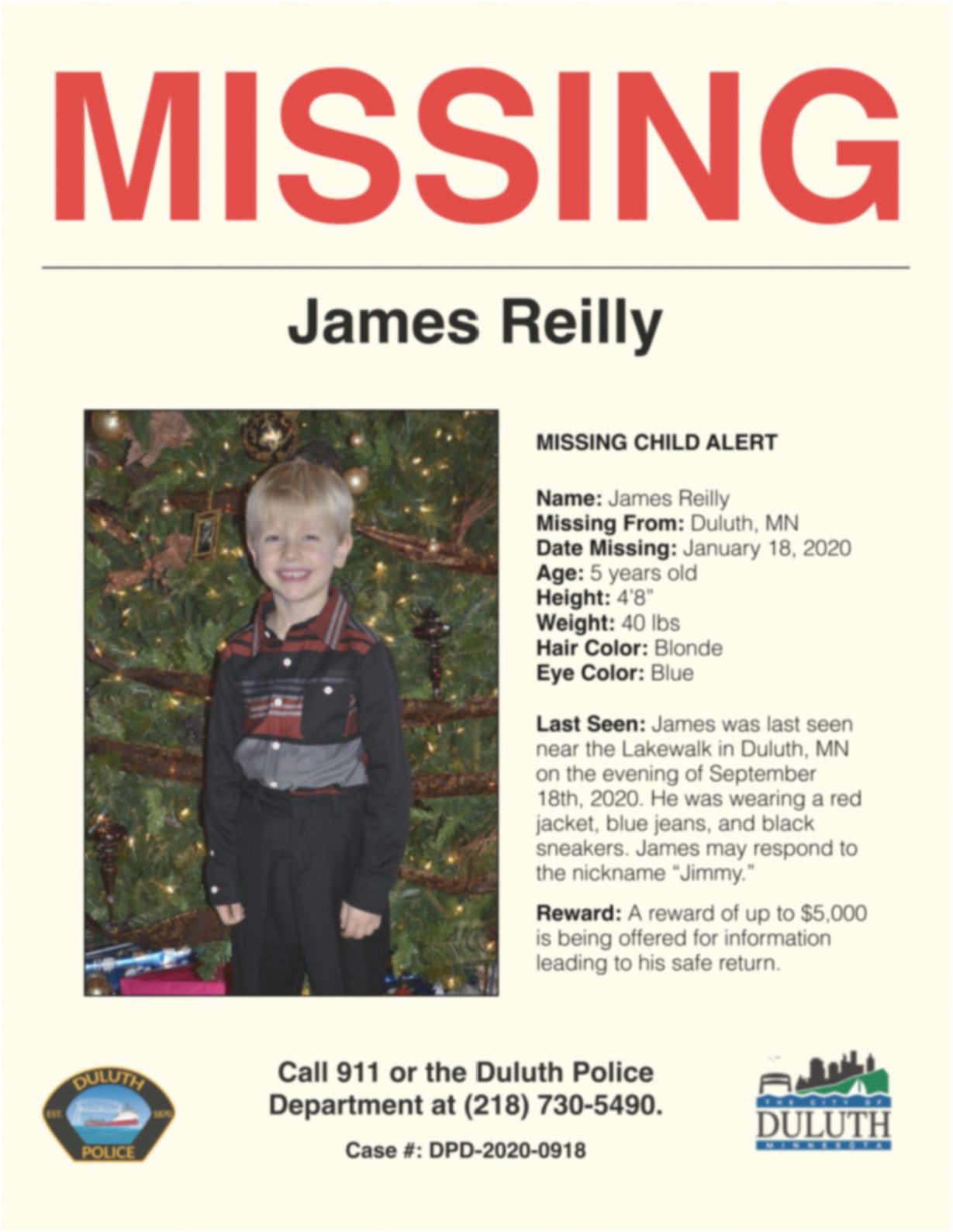
Another challenge was the ethical side of releasing this myth. I couldn’t release my realistic “evidence” like missing-child posters or legal documents, because faking those things, especially about a fictional missing child, didn’t feel right. I didn’t want to cause unnecessary alarm or harm. Because of that, the assets I could publicly release were limited, which made it harder for the myth to take hold in a believable way.
Overall, the release was subtle and intentionally low-impact, and it taught me a lot about both the practical and ethical sides of creating a myth in the real world.
The Artifacts
(please scroll to see all 5 artifacts)
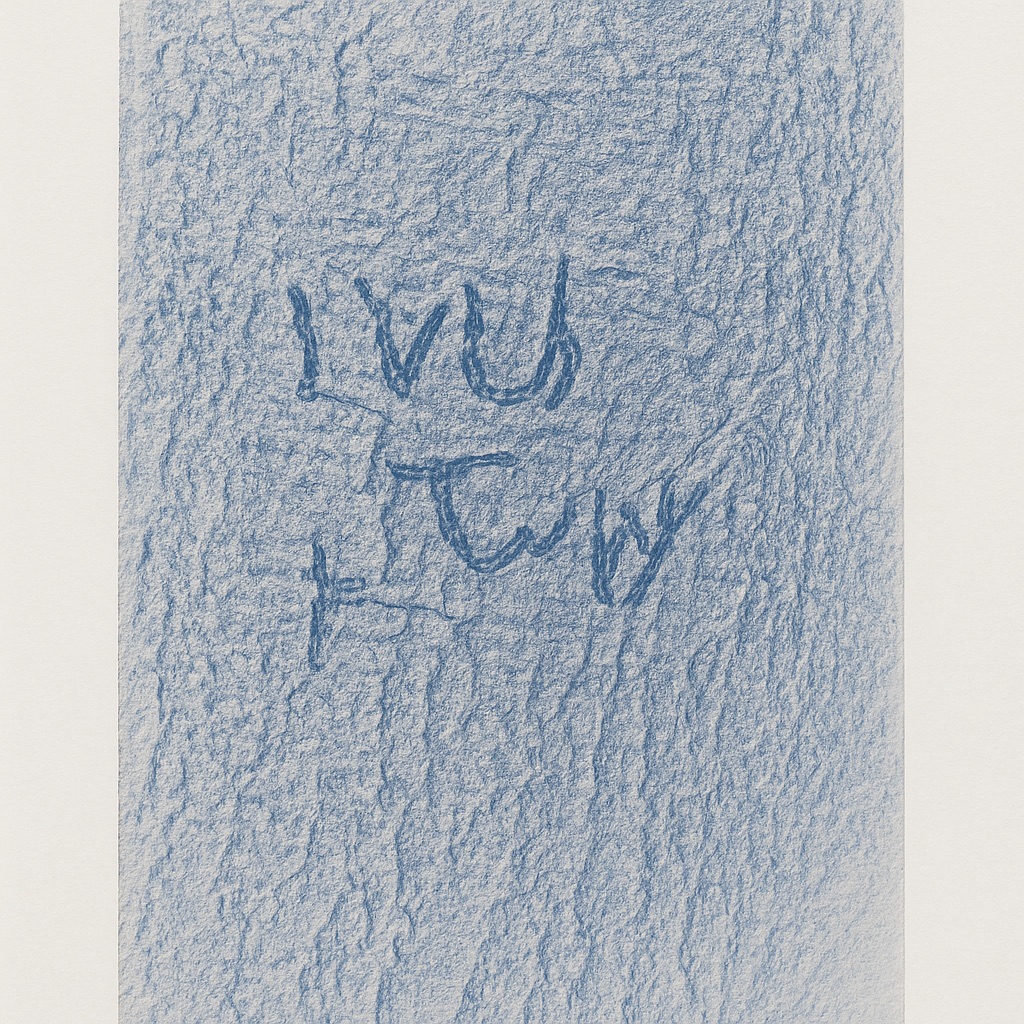
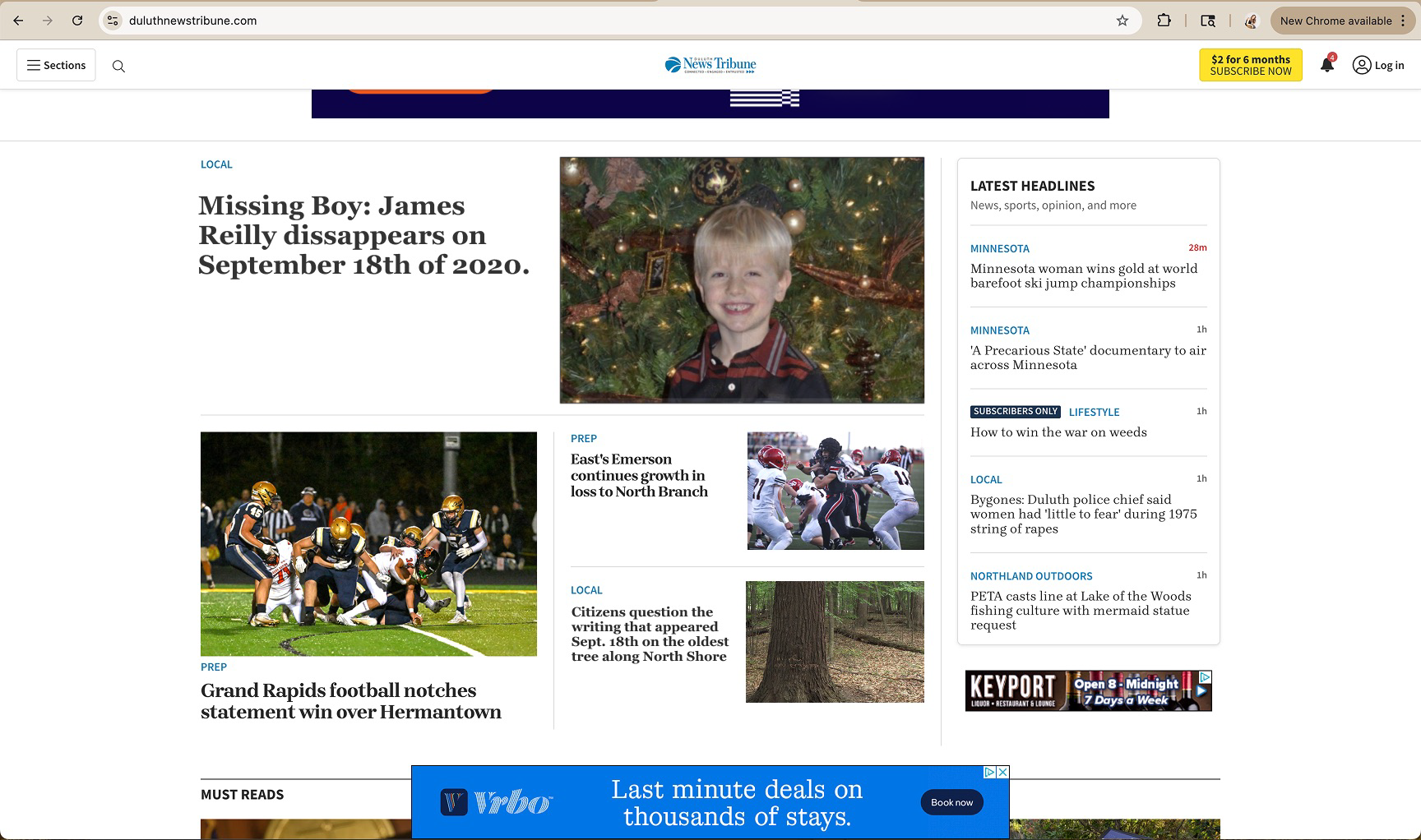
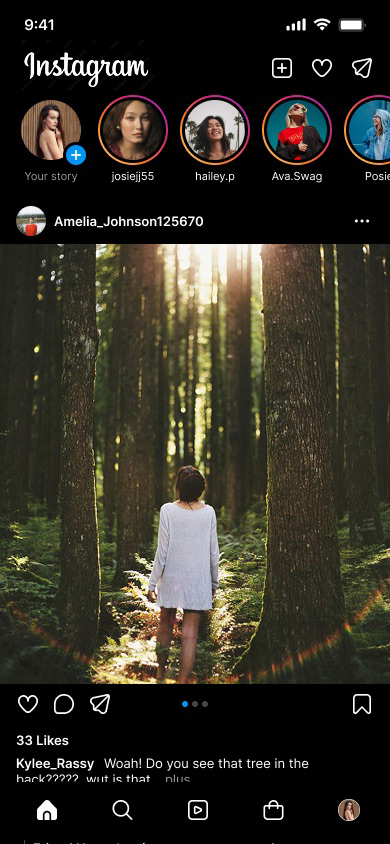
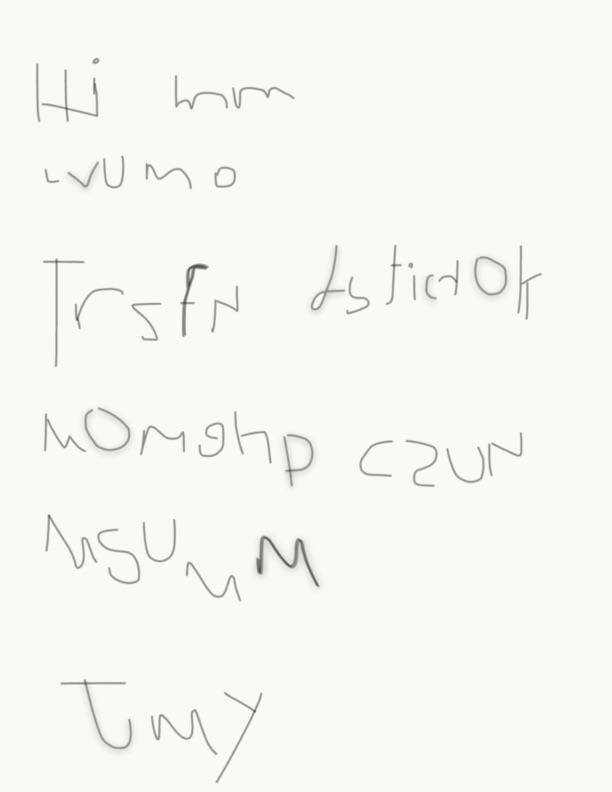
The Response
The response to the myth was extremely quiet. Although the post received several views, almost no one engaged with it in a meaningful way. One person left a single comment asking a follow-up question, but beyond that, there were no real discussions or reactions. Most people simply moved past it without interacting at all—which honestly reflects how myths work in the real world: they often sit unnoticed until the right moment or the right person picks them up. The lack of responses also showed how easily a myth can disappear if there isn't enough context or curiosity to pull people in.
The Reflection (Critical Insight)
This myth taught me that projects like this are often overlooked, and without a strong foundation or enough context, people will simply scroll past them. I expected at least a few people to engage or question it further, and I hoped someone might give me the chance to explain or defend the idea; but that never happened. If I were to do this again, I would probably start with a written story first to build interest, and then follow it with a higher-quality photo to add visual evidence. But even then, the ethical limits remain the same. I can’t fake legal documents or create realistic materials about a missing child, which means that for the myth to work more effectively, I would need to redesign the entire concept from the ground up.
The Relevance (Professional Value)
This project pushed me to think like both a designer and a strategist. Even though the myth didn’t get much engagement, the process showed my ability to build a narrative from the ground up, create visual assets that support a story, and release the work in a way that intentionally tested how people interact with unfamiliar content. It also showed that I approach creative work ethically and responsibly, knowing when something crosses a line and being willing to rethink the entire concept to maintain integrity. Beyond the visuals, this project reflects my understanding of how audiences behave, what captures attention, and how a story needs to be framed in order to resonate. It proved that I can adapt when something doesn’t work, analyze the outcome honestly, and turn it into insight rather than discouragement. Altogether, this project demonstrates my strengths in brand storytelling, critical thinking, and strategic communication—skills that translate directly into professional design and marketing roles where understanding people and crafting meaningful narratives truly matter.
Carved: A Movie
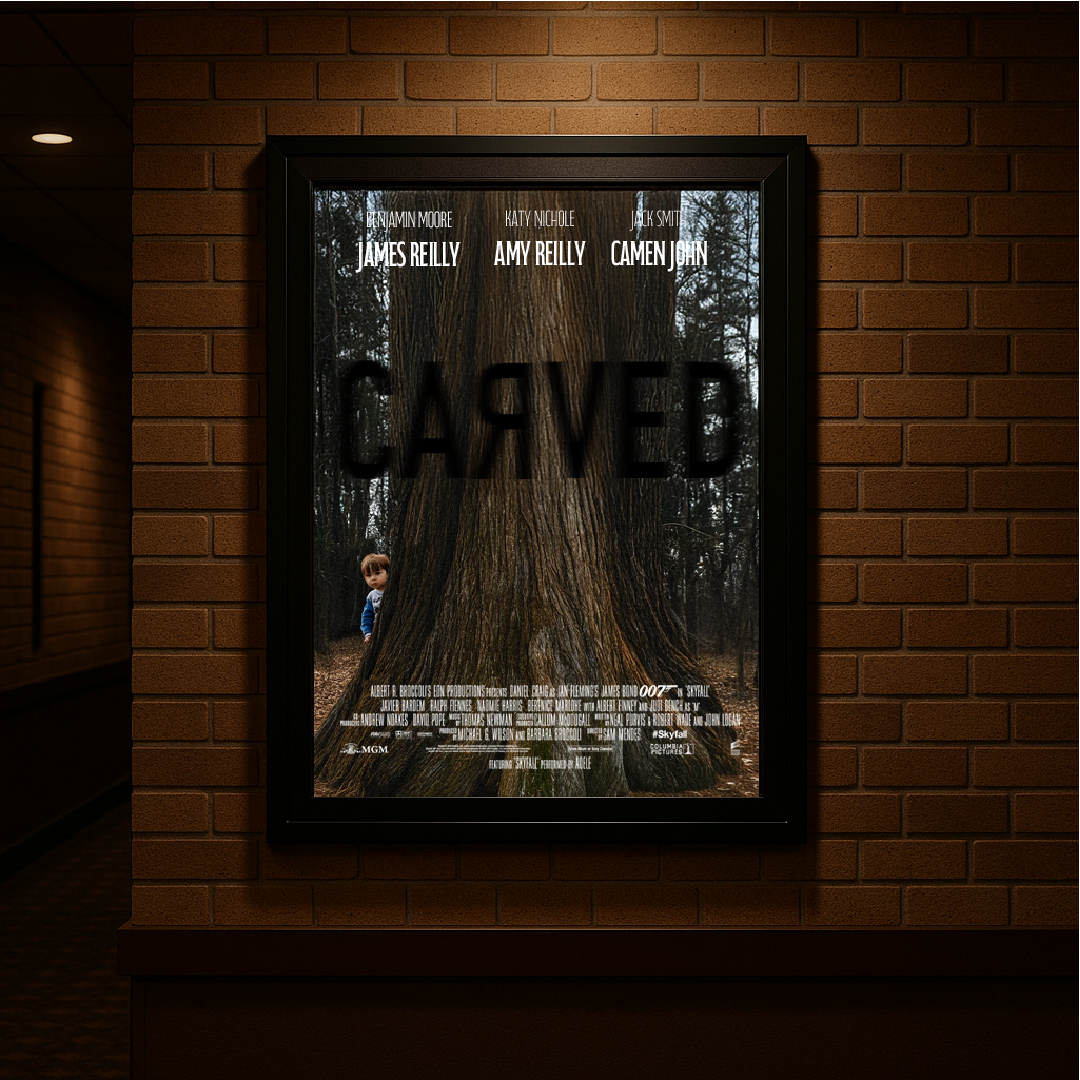
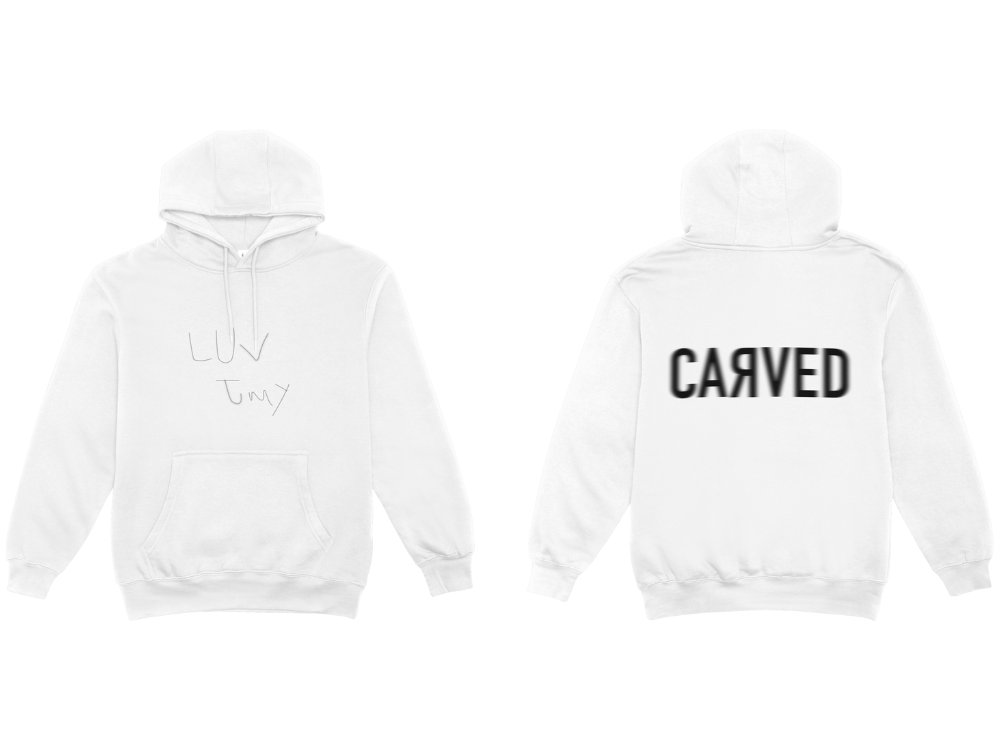
After completing the original myth project, I decided to reimagine the story as if it were completely real rather than treating it strictly as a myth. To explore how the narrative could live in a different medium, I imagined it as a film—somewhere between a thriller and a horror movie, with the eerie, quiet tension that fits the tone of the original story. From there, I developed full movie branding for the concept, creating visuals that treated the myth like an actual cinematic release.
Selected Works